Set Sail Slowly: Your First UK Canal Boat Adventure
Today we explore a beginner’s guide to planning a UK canal boat holiday, turning curiosity into a confident plan. Discover how to choose waterways, pick the right boat, build a realistic route, pack smart, and stay safe, while embracing canalside heritage, welcoming communities, and the gentle rhythm that makes slow travel feel unexpectedly thrilling and deeply restorative.
Choosing the Right Waterway
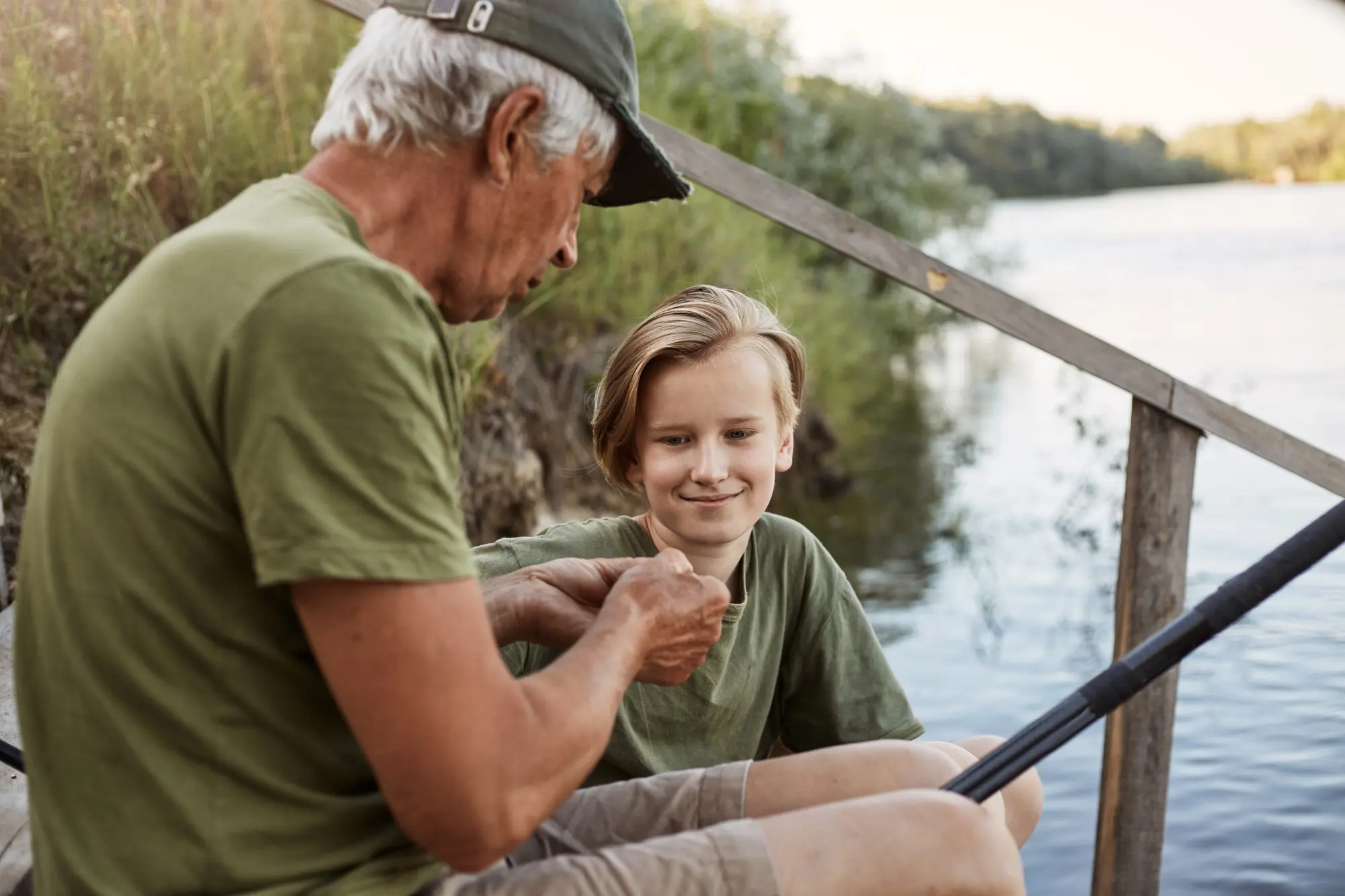
Not all canals feel the same, and the best fit for your first journey balances scenery, lock workload, travel time, and nearby amenities. Compare rural stretches with vibrant city cuts, quiet arms with famed aqueducts, and family-friendly routes with heritage-packed corridors, so your holiday matches your energy, interests, and appetite for hands-on adventure without overwhelming your crew or schedule.
Boat Basics and Hiring
Narrowboats vary in length, layout, and onboard systems, and a clear booking conversation prevents surprises later. Understand berths, heating, power, and water capacity. Ask about handover briefings, helmsman guidance, and emergency contacts. Choose a reputable hire company, read recent reviews, confirm insurance details, and verify what is included so packing, budgeting, and confidence all start in the right direction.
Size, Berths, and Comfort
Match boat length to lock sizes, turning points, and your steering nerves. Fixed double berths suit deep sleep; convertible dinettes maximize daytime space. Bathrooms with reliable hot water soothe chilly evenings. Thoughtful storage calms clutter. If traveling with kids or elders, prioritize easy bed access, clear gangways, and a cozy saloon where everyone gathers, laughs, and plans tomorrow’s gentle miles.
Power, Water, and Heating
Engines charge your batteries, but usage patterns matter. Learn 12-volt limits, inverter behavior, and how long to cruise for healthy power reserves. Monitor water tanks and refill before busy stretches. Test the heater, bleed radiators if needed, and ventilate to prevent condensation. Master these quiet routines early, and your floating home stays cheerful, warm, and wonderfully self-sufficient all week.
Speed, Passing, and Bridges

Go no faster than a gentle walking pace, watching your wash to protect bankside nests and moored craft. Sound your horn at blind bridges, stay centered in narrow spans, and give way with patience. Communicate with smiles and hand signals. Courteous steering reduces stress for everyone and turns each bend into a friendly exchange rather than a rushed, noisy encounter.
Locks, Tunnels, and Lift Bridges
Study diagrams, then take your time. At locks, check paddles, share with other boats, and mind the cill. In tunnels, use headlamps, sound signals, and maintain steady speed. For lift bridges, prepare crew ashore and secure lines safely. Practiced teamwork keeps boats under control, prevents mishaps, and turns supposedly daunting obstacles into shared victories remembered fondly over evening tea.
Respect for Residents, Wildlife, and Fellow Boaters

Keep towpaths clear, secure dogs, and dispose of rubbish responsibly. Avoid running engines late at night, and preserve quiet near residential moorings. Give anglers space and slow well in advance. Protect swans and ducklings by staying centered and calm. These small courtesies create community, ensure welcome at popular stops, and keep the waterways resilient for future slow travelers.
Itinerary Planning and Timing
A satisfying plan balances ambition with relaxation. Estimate daily cruising hours, lock counts, and likely mooring spots. Consider out-and-back routes for flexibility or picturesque rings if confident. Leave margins for weather, busy locks, and irresistible detours to canalside museums, bakeries, or markets. A spacious schedule invites serendipity, encouraging you to linger where the view steals your breath.
Choose Rings or Out-and-Back Routes
Rings showcase varied scenery and satisfying progress but demand consistency. Out-and-back journeys offer adaptable turnarounds, perfect for first-timers discovering their rhythm. Research stoppages and navigation notices before committing. Include one rest morning for waterside wandering, café chats, or sketching reflections. Gentle flexibility transforms a timetable into a living story that bends, smiles, and still returns on time.
Daily Rhythm and Realistic Distances
Plan for modest miles with generous pauses. Allow longer for lock flights, swing bridges, and popular photo spots that invite lingering. Build in lunch under a willow, tea by a brick arch, and sunset mooring scouts. A calm pace reduces mistakes, preserves energy, and keeps evenings joyful, with board games, journals, and planning whispers mapping tomorrow’s cheerful wanderings.
Family-Friendly Stops and Accessible Options
Pick moorings near playgrounds, museums, or short nature walks. Choose heritage railways, towpath ice-cream stalls, and easy picnic lawns. Look for ramps, gentle gradients, and handrails on busy lock landings. Shorter cruising blocks suit napping toddlers and grandparents alike. When comfort, curiosity, and convenience meet, everyone gathers on deck at dusk, proud, smiling, and eager for the next gate.
Packing Smart for the Cut
{{SECTION_SUBTITLE}}

Clothing, Footwear, and Comfort
Think breathable base layers, warm mid-layers, and waterproof shells. Non-slip boots steady lock approaches, while slippers warm evenings indoors. Pack hats, sun cream, and quick-dry socks. A lightweight blanket elevates stargazing on cool nights. Compact rain trousers, microfiber towels, and spare gloves transform drizzle from nuisance into novelty, keeping spirits high when clouds gently test your resolve.
Galley Planning, Provisions, and Pubs
Stock versatile basics—pasta, oats, eggs, tins—then add local cheeses, bread, and seasonal fruit from farm shops near locks. Keep a thermos ready for chilly bridges and a skillet for towpath brunches. Mark inviting pubs on your map. Balanced provisioning frees you from frantic stops, replacing rushed errands with leisurely decisions led by appetite, sunshine, and an empty cutting board.

Safety, Community, and Next Steps
Confidence grows quickly when safety and community lead the way. Embrace thorough briefings, practice maneuvers, and talk with seasoned boaters at locks. Keep emergency numbers handy, observe weather forecasts, and review checklists nightly. Share questions in the comments, subscribe for future route ideas, and tell us your plans so our readers can cheer, advise, and celebrate your slow-travel milestone.

All Rights Reserved.